


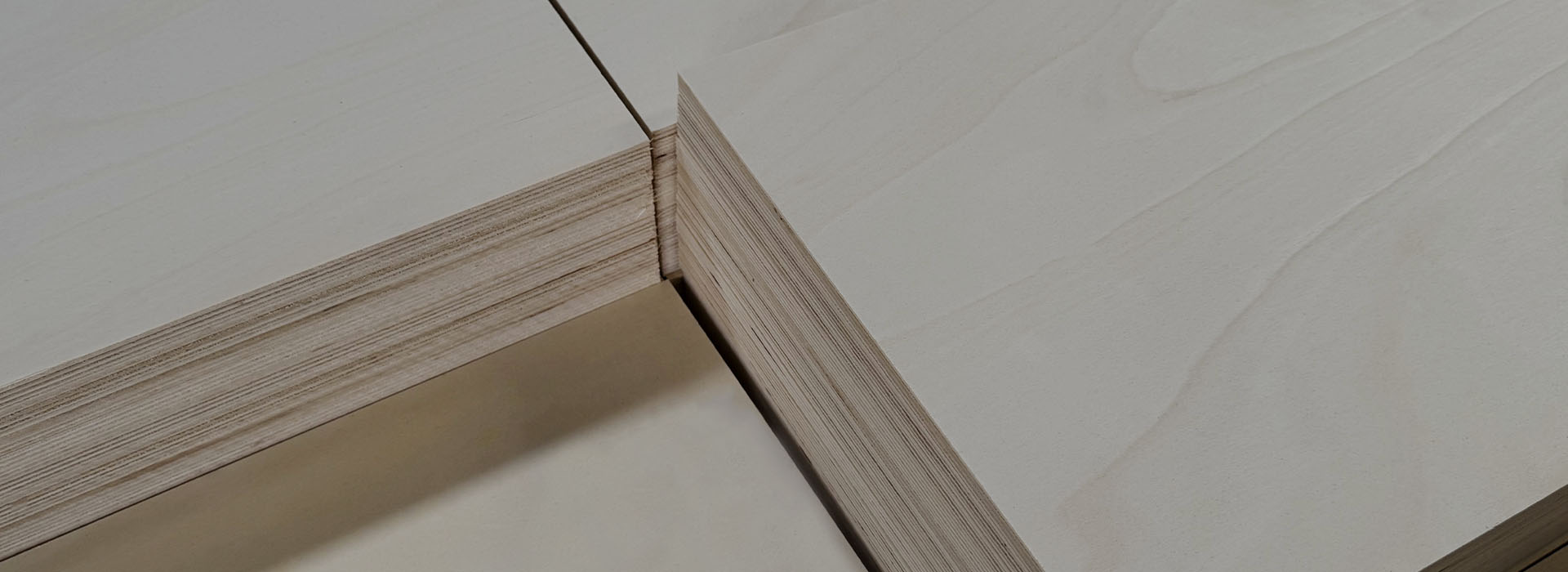
Plywood’s unique combination of strength, flexibility, and cost-effectiveness has made it a staple material in numerous industries, adapting to various functional and aesthetic needs. Its ability to withstand different environmental conditions and resist warping sets it apart from many alternatives, expanding its use across sectors.

In the construction industry, plywood is a foundational material with multiple roles. It serves as formwork for concrete structures—such as beams, columns, and slabs—due to its durability under heavy loads and easy removal after concrete curing. Exterior-grade plywood, treated with water-resistant adhesives and coatings, is used for sheathing walls, roofs, and floors, providing a stable base for siding, shingles, or flooring materials. Additionally, it is employed in temporary structures like scaffolding platforms and construction sheds, thanks to its quick installation and reusability.
The furniture industry relies heavily on plywood for both structural and decorative purposes. Its smooth surface and ability to be shaped into curved forms make it ideal for crafting modern furniture pieces, such as chairs, tables, and cabinets. Interior-grade plywood, often faced with high-quality veneers (like oak or walnut), mimics the look of solid wood while being more affordable and less prone to cracking. It is also used as a core material for laminate or veneer-faced furniture, enhancing structural integrity without compromising on appearance.
Packaging and shipping industries value plywood for its robustness in protecting goods during transit. Heavy-duty plywood crates and pallets are used to transport fragile or heavy items, such as machinery, electronics, and industrial equipment. Unlike cardboard or plastic, plywood can withstand rough handling, extreme temperatures, and moisture, ensuring goods remain intact. Custom-sized plywood boxes are also common for shipping oversized items, as they can be tailored to fit specific dimensions.
Beyond these major sectors, plywood finds applications in the transportation industry—used for interior panels in buses, trains, and boats, where weight reduction and durability are key. It is also utilized in the arts and crafts field for creating stage sets, exhibition displays, and custom art installations, due to its ease of cutting and painting.
From supporting large-scale construction projects to adding functionality to everyday furniture, plywood’s versatility continues to drive its demand across a wide range of industries.