


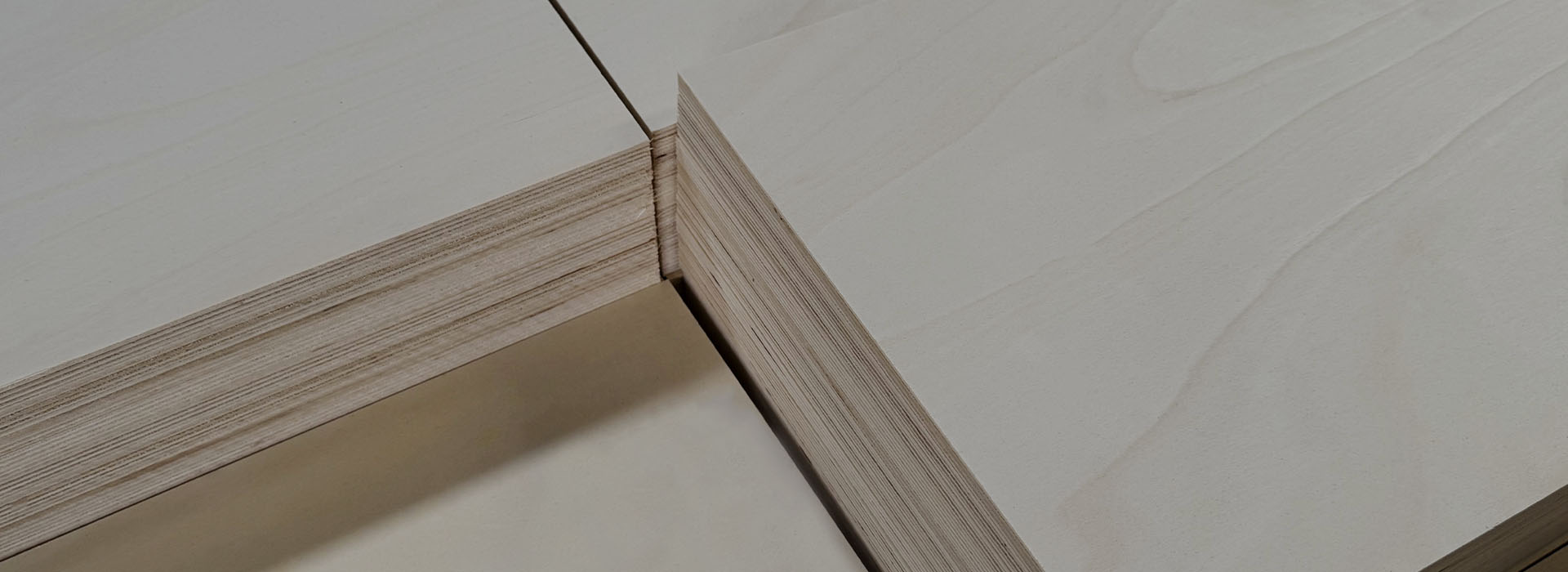
Plywood is a versatile engineered wood product widely used in construction, furniture, and packaging industries. Composed of multiple thin layers of wood veneers, it is bonded together with strong adhesives, with each layer’s grain direction perpendicular to the adjacent one. This cross-grain structure gives plywood unique advantages over solid wood, such as enhanced strength, reduced warping, and improved dimensional stability.
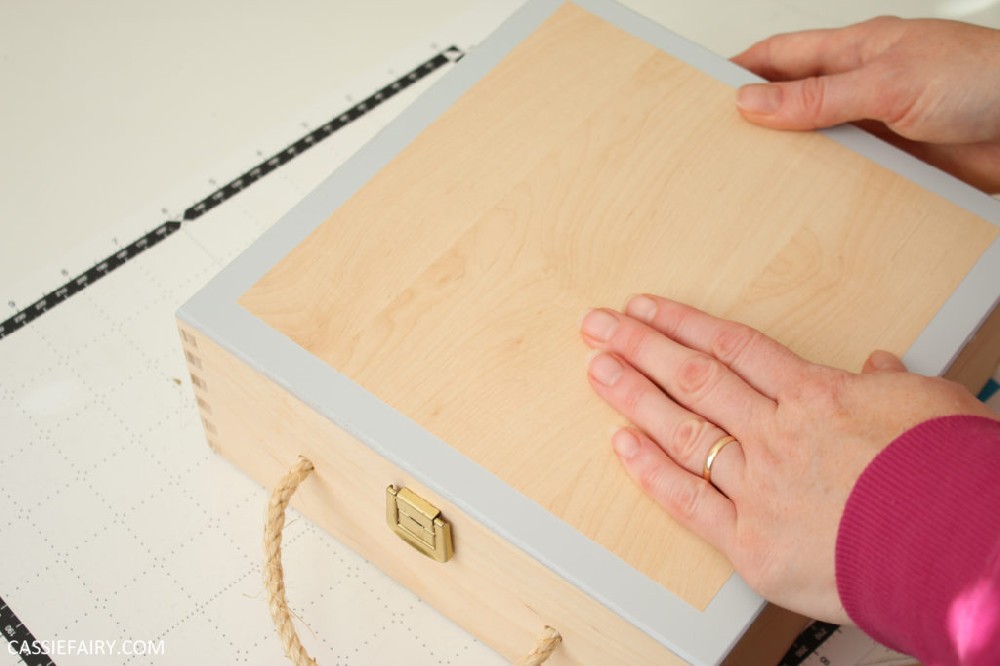
The basic structure of plywood typically includes three or more veneer layers. The outer layers, called “face veneers,” are usually made of high-quality wood to ensure a smooth appearance, while the inner “core veneers” prioritize structural support. Common wood species used for veneers include pine, oak, birch, and poplar, chosen based on cost, strength, and aesthetic needs.
The manufacturing process of plywood involves several key steps. First, logs are debarked and cut into blocks, which are then rotated against a sharp blade to produce continuous veneer sheets—this process is known as “peeling.” Next, the veneers are dried in ovens to reduce moisture content (usually to 6-12%), preventing warping and improving adhesive bonding. After drying, defective parts of the veneers (such as knots or cracks) are removed. Then, adhesive is applied to the veneer surfaces, and the sheets are stacked with alternating grain directions. The stacked veneers are pressed under high temperature (120-180°C) and pressure (10-20 MPa) for a specific time to cure the adhesive and form a solid panel. Finally, the finished plywood is trimmed, sanded, and inspected for quality before being packaged for sale.
This well-designed manufacturing process ensures that plywood retains the natural beauty of wood while overcoming many limitations of solid wood, making it a reliable material in various fields.